Close Menu
    Facebook X (Twitter) Instagram
    Trending
    • CYD? 2026: A vibrant display of exceptional talent
    • A Younger Wave
    • John Phillips Hall Closed
    • More Than Just Apples?
    • On Your Radar: pushbike
    • Shivelin Man: Wood Fired Shack
    • The Tale Of Two Halves
    • Upcoming In Pontio…
    Facebook X (Twitter) Instagram YouTube Flickr
    Seren
    • News & Politics
      1. Local News
      2. UK News
      3. Uni News
      4. World News
      5. Politics
      6. Comment
      7. Business
      Featured

      SABB Election: The Full Result Breakdown

      By Emily ReadMarch 20, 20210
      Recent

      A Younger Wave

      November 1, 2026

      John Phillips Hall Closed

      October 29, 2026

      Bangor University Students Protest Data Centre Plans

      October 15, 2026
    • Arts & Culture
      1. Books
      2. Games
      3. Film
      4. Music
      5. TV
      6. Creative Corner
      Featured

      Bangor alumni podcast earns Hollywood cameo & BBC features

      By Amelia SmithMarch 7, 20210
      Recent

      CYD? 2026: A vibrant display of exceptional talent

      November 1, 2026

      On Your Radar: pushbike

      October 26, 2026

      Upcoming In Pontio…

      October 15, 2026
    • Lifestyle
      1. Fashion
      2. Food and Drink
      3. Social
      4. Health and Beauty
      5. Travel
      Featured

      Country Highlight: The Netherlands

      By Emily ShoultsMay 6, 20220
      Recent

      Shivelin Man: Wood Fired Shack

      October 26, 2026

      Shivelin Man: Pepe’s

      October 15, 2026

      Gilmore Garms

      October 28, 2022
    • Discovery
      1. Science
      2. Environment
      3. History
      4. International
      Featured

      Brewing up a Storm: The History of Guinness

      By Emily ReadMarch 20, 20210
      Recent

      More Than Just Apples?

      October 26, 2026

      Stamps Used to Mean Something: A Dying Form of Political Art

      October 15, 2026

      Messages from the Margins

      September 22, 2026
    • Sport
      1. Varsity 2019
      2. Varsity 2018
      3. Varsity 2017
      4. Varsity 2016
      5. Varsity 2015
      6. Varsity 2014
      7. Varsity 2013
        • Varsity 2013 Results
        • Varsity 2013 – In tweets
      Featured

      Bangor Muddogs’ American Football: a young woman finding her place

      By Jade HillMarch 23, 20210
      Recent

      The Tale Of Two Halves

      October 26, 2026

      Padel, worth the hype?

      October 15, 2026

      Bangor University Sport – More than just a game

      September 22, 2026
    • Students’ Union
      1. Union News
      2. Societies
      3. Volunteering
      4. Clubs
      Featured

      INTERVIEW: Be Period Positive

      By Caroline CartmillMarch 17, 20210
      Recent

      Bangor University Sport – More than just a game

      September 22, 2026

      Interview: Lewis Thompson, VP Sport

      October 29, 2022

      En Garde!

      October 29, 2022
    • Print Issues
      • Current Issue
      • This year’s issues
      • Last year’s issues
      • Seren Archive
      • Seren Teams
    Seren
    Home»Arts & Culture»Books»Questions raised about who exactly can enter Prizes
    Books

    Questions raised about who exactly can enter Prizes

    Emma DebneyBy Emma DebneyNovember 8, 2015No Comments3 Mins Read
    Share
    Facebook LinkedIn Email Reddit Threads Copy Link

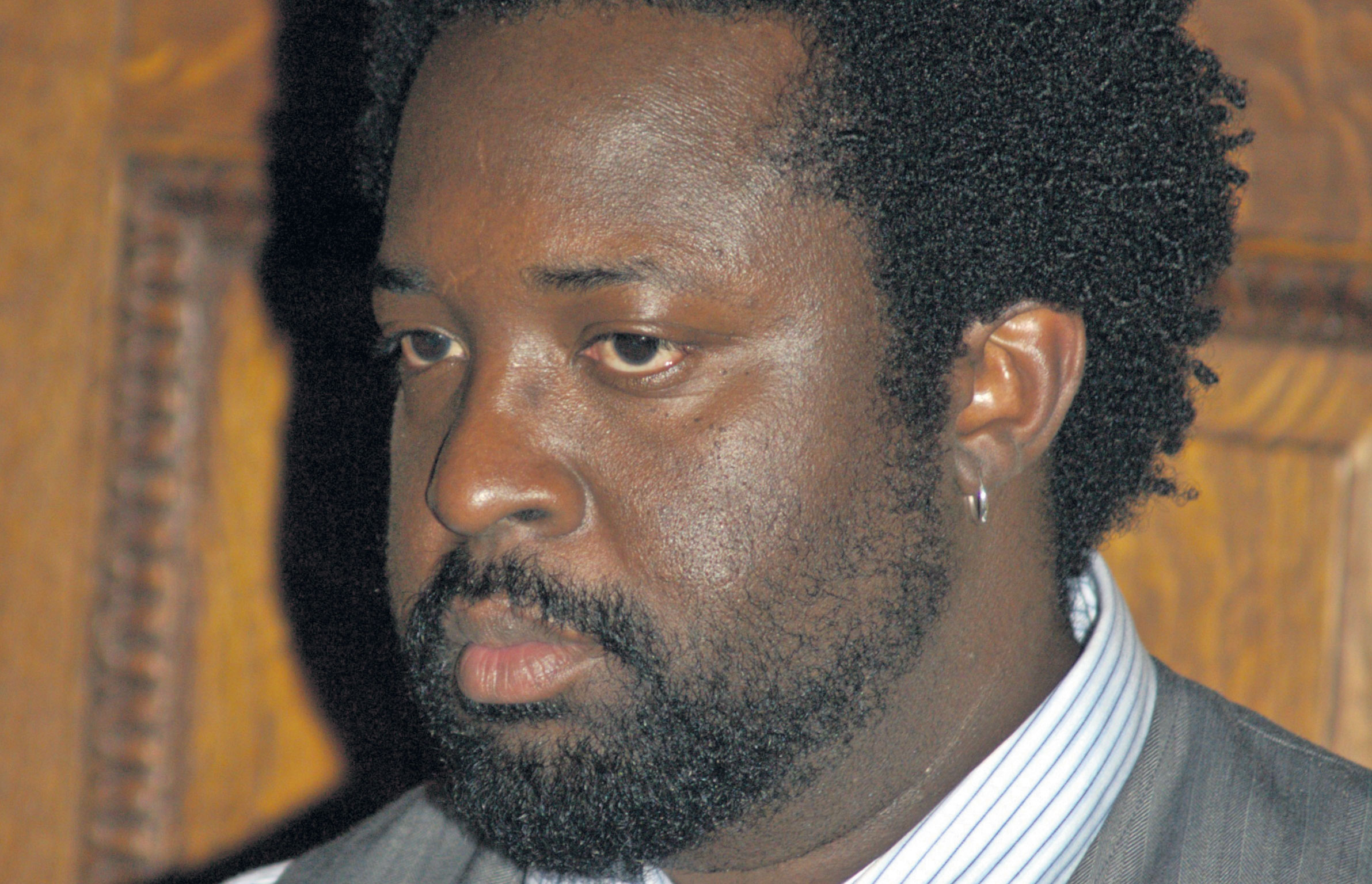
    So it’s 2015, and despite the scaremongering, the prophesied American takeover of the Man Booker prize has yet to materialise. Instead, since potential nominations were broadened last year to any book published in the UK and in the English language, we’ve had two Commonwealth authors: Australian Richard Flanagan with his novel The Narrow Road to the Deep North, and Jamaican Marlon James with A Brief History of Seven Killings. True, James is an American citizen, but so are some of the nominees of years past. In fact, American authors aren’t even dominating the shortlist, sitting at around a third in both the years they’ve been eligible. It’s hardly the grand upheaval expected, and the many who worried that Commonwealth authors wouldn’t be able to stand up to the juggernauts of the USA might rightly feel abashed at their lack of faith. True, it’s only been two years so far, but it doesn’t look like Commonwealth authors are going to be pushed out of a Commonwealth event. At least, no more than normal.

    When considering who has been winning the Man Booker prize, it’s worth taking a look at a more detailed breakdown. Proponents of keeping the Man Booker to the UK, Commonwealth, Ireland, and Zimbabwe reference a special “Commonwealth” literary culture present throughout the prize’s history. There is something unique about the fiction of the Commonwealth, the thought goes, something that binds us, something that the Man Booker celebrates. Yet over half the winners are from Britain, more depending on how the lines are drawn (there are a few winners born in non-Commonwealth countries, but who qualify through being citizens of Britain). Of the 20 non-British winners, only 9 of the 53 Commonwealth member states are represented. Not really the pan-Commonwealth recognition that’s advertised.

    However, the last two years have been encouraging: facing competition from both Britain and America, two Commonwealth authors have found themselves winners. Against the anticipated loss of a Commonwealth identity and an already present Britain-centric history, Flanagan and James have given us beautifully local stories. Both A Brief History of Seven Killings and The Narrow Road to the Deep North are culturally rooted books, drawing from the author’s own personal and cultural histories in ways that could never be confused for the bland, globalised narrative many predicted was the future of the Man Booker prize. From Kingston to the Death railway, from nurses to soldiers to the Singer himself, each story has a baseline utterly unique to a specific time and place within the Commonwealth. Where are the lazy international everyman tales? Where are the soulless money-makers? Not here.

    With the cultural future of the Man Booker so far intact, the question now is whether its American contemporary, the Pulitzer Novel prize, will open its doors to international authors. The Pulitzer covers several categories, some of which are open to non-American authors, although only with various caveats. But the Novel prize remains an all-American event. Surely though, now we’ve let the Americans in, they should let us in? Unfortunately there has been no mention from Pulitzer of such a move, nor does it seem likely that there will be. For now, if international authors want an American prize, they’ll have to publish their books via an American publishing house and then satisfy themselves with a shot at the National Book Critics Circle Award. The grand doors of the Pulitzer prize remain firmly and frustratingly closed.

    A Brief History of Seven Killings American Commonwealth international Man Booker Marlon James Novels Pulitzer Novel prize Richard Flanagan The Narrow Road to the Deep North UK
    Emma Debney

    Related Posts

    Jane Austen in Lockdown: How her six novels are more relevant than ever

    July 7, 2021

    Shakespeariana: 5 Accessible Retellings

    May 1, 2021

    Should We Separate Books & Their Adaptations?

    April 24, 2021
    Leave A Reply Cancel Reply

    This site uses Akismet to reduce spam. Learn how your comment data is processed.

    MORE INFORMATION
    • ABOUT
    • ADVERTISE
    • CONTACT US
    • GET INVOLVED
    • MEMBERS
    Links
    • Bangor University Bangor University
    • Google+ Google+
    • Undeb Bangor Undeb Bangor
    About

    Seren is Bangor University Students’ Union’s English Language Newspaper

    We have editorial independence from both Bangor University and Bangor Students’ Union. Seren is written by students for students and we’d love you to get involved!

    Type above and press Enter to search. Press Esc to cancel.