

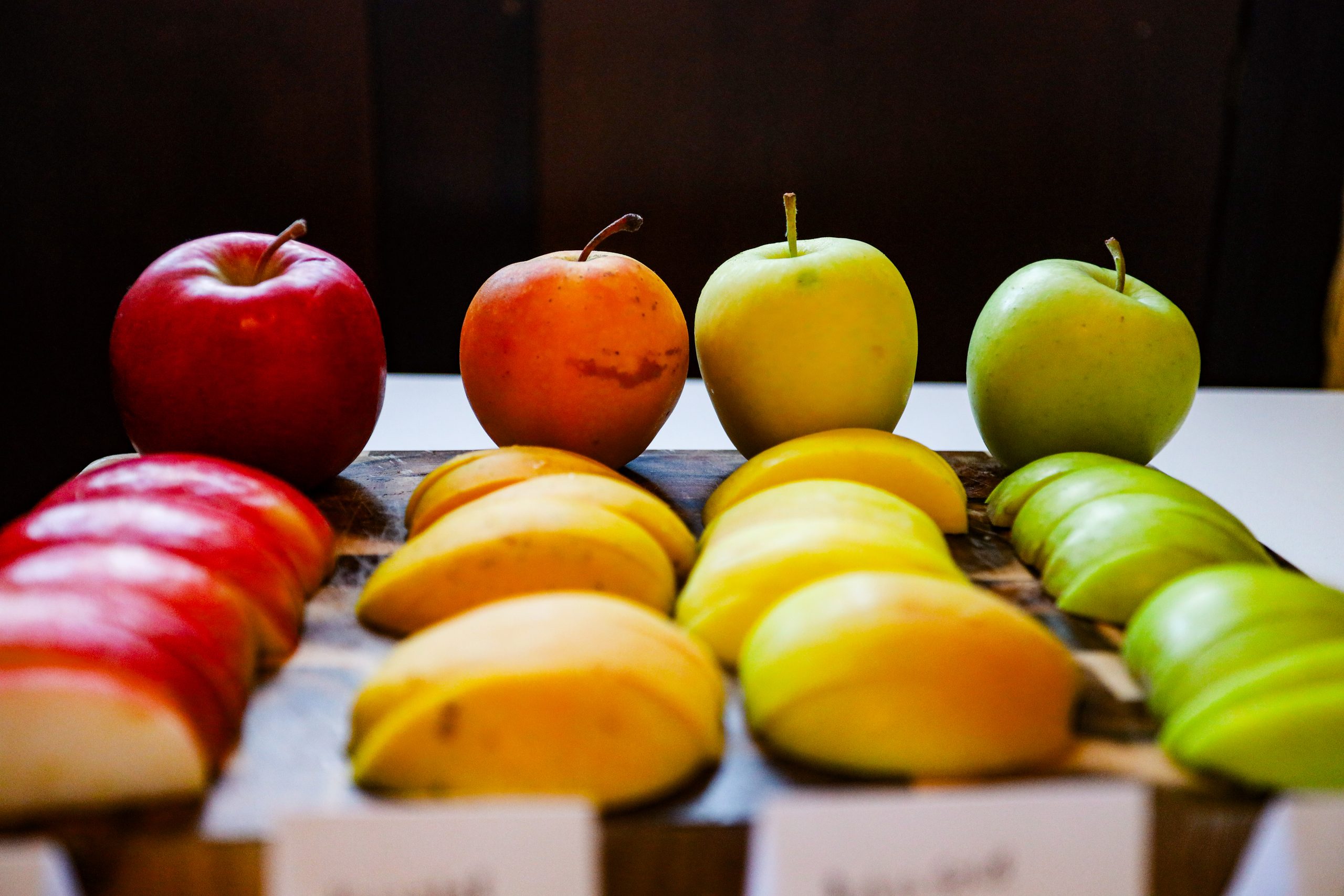
The UK is home to more than 2,500 types of apples, a particularly impressive figure given there are only 7,000 recognised types globally. So why are there so few apple varieties in shops?
The answer is simple, the fruit and veg market in the UK lies in the hands of very few people. In fact, only 8 retailers control over 90% of sales. This can be attributed to two main factors, Supermarkets preferring to work with larger corporations for ease of purchase and the seasonality of apple growth in the UK. There is a demand for fruit all year round now, which excludes most UK-grown apples for 9 months of the year. Cox and Bramley apples are the only readily available variety that have any sort of history or heritage within the UK; The remaining varieties consist mostly of New Zealand and Australian varieties that have taken over British orchards or are imported from elsewhere.
This is where the conservation charity Common Ground comes in. Founded in 1980’s, Common Ground do more than conserve local landscapes and wildlife, they aim to help communities celebrate what makes their local area distinctive whether it be local plants, cuisine or history of buildings. They realised just how spatialized apple varieties truly were in the UK, specific from counties right down to individual estates. With this information and the rapid disappearance of species sold around the UK Common Ground came together to create National Apple Day (21st October).
Apple Day at it’s core (haha) is about more than just apples though. Common Ground intended the holiday to be a celebration of the richness of culture, landscape, ecology and food. It is also a stark reminder of what we are in danger of losing should we disregard our environment. The apple is used as a symbol for people, incredibly diverse with rich histories if we just take a brief pause to appreciate them. National Apple Day has rapidly become a staple for many local villages and has helped to build belonging and pride for communities, while highlighting food miles and traceability of the foods we consume.
Personally, I’m ‘Jazz’ed to celebrate what makes our local area unique! Below are two local apples to Wales that I’ve had the privilege of eating recently courtesy of Treborth Botanic Garden.
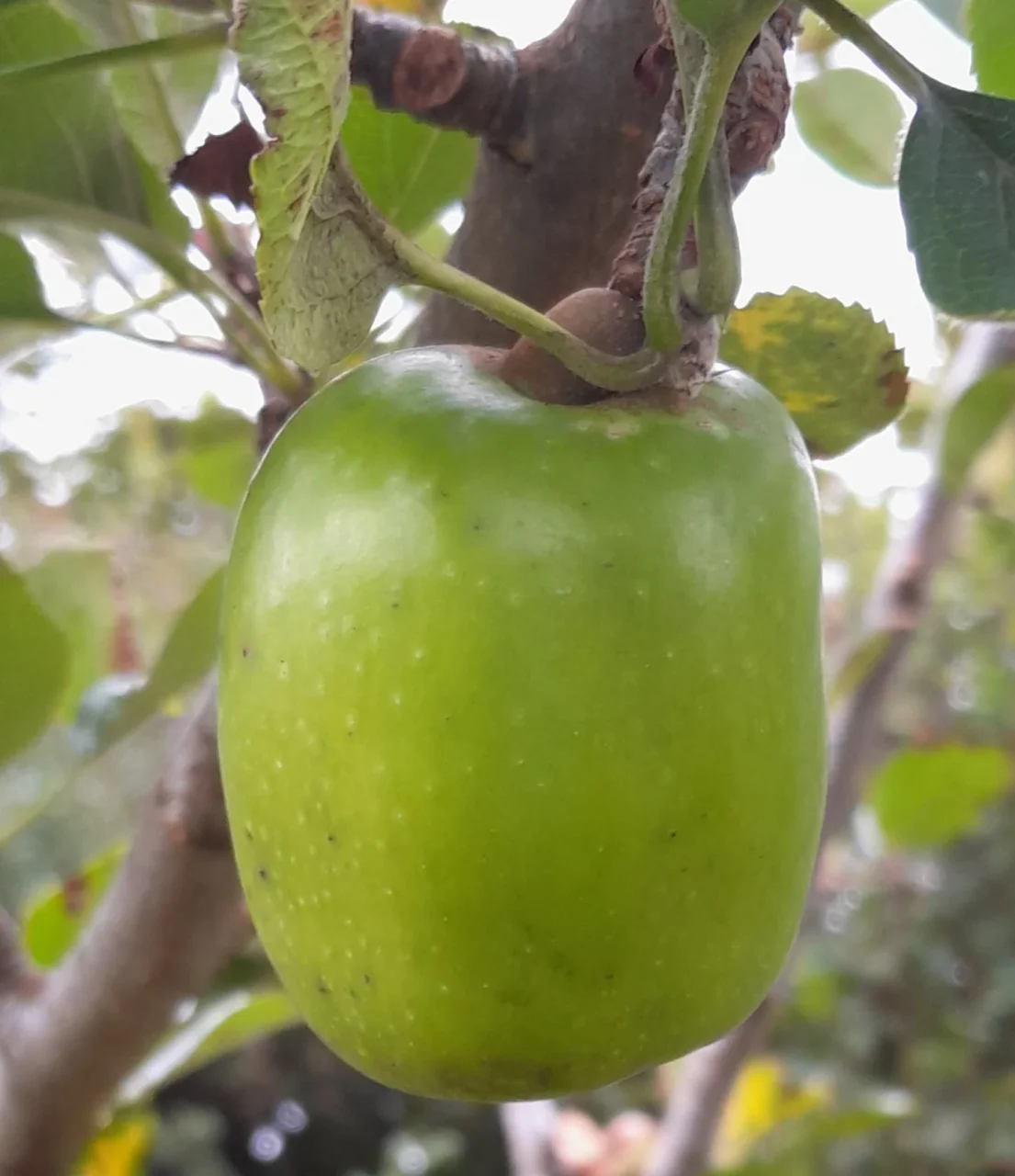
Trwyn Mochyn / Anglesey pig snout
The Anglesey Pig Snout originates from the 1600’s and gets its name from the odd elongated shape of the apple.
As with most green apples it is sharp and tangy and works best for cooking. It is incredibly disease resistant and is best picked in early October. If you like Granny Smiths or Bramley apples I recommend!
Nant Gwrtheyrn
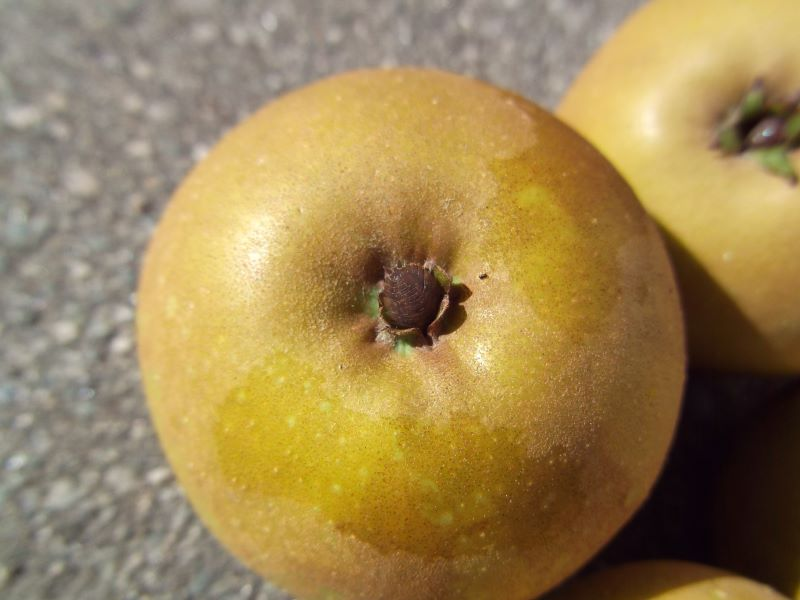
This apple gets its name from Nant Gwrtheyrn, the derelict quarry in North Wales, it was discovered growing from the ruins of the site. Despite the trees old age it still produced fruit every year!
This apple has quite an earthy flavour, described by some as fennel-like. If you are a fan of golden russets this is quite similar.
Using apples as an example, this article aims to highlight our ever diminishing biodiversity and the importance of engaging with your local community to celebrate where you live. I’ll leave you now before my laptop runs out of juice.
Happy Belated National Apple Day!
