Close Menu
    Facebook X (Twitter) Instagram
    Trending
    • CYD? 2026: A vibrant display of exceptional talent
    • A Younger Wave
    • John Phillips Hall Closed
    • More Than Just Apples?
    • On Your Radar: pushbike
    • Shivelin Man: Wood Fired Shack
    • The Tale Of Two Halves
    • Upcoming In Pontio…
    Facebook X (Twitter) Instagram YouTube Flickr
    Seren
    • News & Politics
      1. Local News
      2. UK News
      3. Uni News
      4. World News
      5. Politics
      6. Comment
      7. Business
      Featured

      SABB Election: The Full Result Breakdown

      By Emily ReadMarch 20, 20210
      Recent

      A Younger Wave

      November 1, 2026

      John Phillips Hall Closed

      October 29, 2026

      Bangor University Students Protest Data Centre Plans

      October 15, 2026
    • Arts & Culture
      1. Books
      2. Games
      3. Film
      4. Music
      5. TV
      6. Creative Corner
      Featured

      Bangor alumni podcast earns Hollywood cameo & BBC features

      By Amelia SmithMarch 7, 20210
      Recent

      CYD? 2026: A vibrant display of exceptional talent

      November 1, 2026

      On Your Radar: pushbike

      October 26, 2026

      Upcoming In Pontio…

      October 15, 2026
    • Lifestyle
      1. Fashion
      2. Food and Drink
      3. Social
      4. Health and Beauty
      5. Travel
      Featured

      Country Highlight: The Netherlands

      By Emily ShoultsMay 6, 20220
      Recent

      Shivelin Man: Wood Fired Shack

      October 26, 2026

      Shivelin Man: Pepe’s

      October 15, 2026

      Gilmore Garms

      October 28, 2022
    • Discovery
      1. Science
      2. Environment
      3. History
      4. International
      Featured

      Brewing up a Storm: The History of Guinness

      By Emily ReadMarch 20, 20210
      Recent

      More Than Just Apples?

      October 26, 2026

      Stamps Used to Mean Something: A Dying Form of Political Art

      October 15, 2026

      Messages from the Margins

      September 22, 2026
    • Sport
      1. Varsity 2019
      2. Varsity 2018
      3. Varsity 2017
      4. Varsity 2016
      5. Varsity 2015
      6. Varsity 2014
      7. Varsity 2013
        • Varsity 2013 Results
        • Varsity 2013 – In tweets
      Featured

      Bangor Muddogs’ American Football: a young woman finding her place

      By Jade HillMarch 23, 20210
      Recent

      The Tale Of Two Halves

      October 26, 2026

      Padel, worth the hype?

      October 15, 2026

      Bangor University Sport – More than just a game

      September 22, 2026
    • Students’ Union
      1. Union News
      2. Societies
      3. Volunteering
      4. Clubs
      Featured

      INTERVIEW: Be Period Positive

      By Caroline CartmillMarch 17, 20210
      Recent

      Bangor University Sport – More than just a game

      September 22, 2026

      Interview: Lewis Thompson, VP Sport

      October 29, 2022

      En Garde!

      October 29, 2022
    • Print Issues
      • Current Issue
      • This year’s issues
      • Last year’s issues
      • Seren Archive
      • Seren Teams
    Seren
    Home»Discovery»Stamps Used to Mean Something: A Dying Form of Political Art
    Discovery

    Stamps Used to Mean Something: A Dying Form of Political Art

    Leon Gordon JamiesonBy Leon Gordon JamiesonOctober 15, 2026No Comments4 Mins Read
    Share
    Facebook LinkedIn Email Reddit Threads Copy Link

    Stamps used to mean something. To some extent they still do, but in the era of online shopping and the internet they are losing their place in the modern world.

    Revolutions, war and geopolitics may not be the first thing that comes to your head when you think about the small paper rectangles you put on your postcards, but time and time again they have depicted some of the biggest moments in history. It helps to think of a stamp as a tiny piece of art, every line of those illustrations is just as intentional as brush strokes on a canvas. This gives them meaning and allows them to be analysed from a historical lens.

    Independence movements after WWII provide many excellent examples of this in action. For example, In September of 1945, Indonesian revolutionaries managed to take control of the Central Post Office in Bandung as they tried to gain sovereignty back from the Dutch and Japanese. From there they were able to retake the countries postal system and use stamps as political imagery to further their independence movement. They would print over leftover stamp stock from their colonial rulers with ‘Repoeblik Indonesia’ and later create their own stamps

    These later stamps featured a Banteng (a bovine that was a figurehead for the fight for independence) breaking free of chains, an obvious allusion to Indonesia breaking free of colonial grasps.

    Not all political messaging has to be so direct, the USSR during the Cold War would print millions of ‘used’ stamps just to use as propaganda. These would be put into albums and sold internationally. Propaganda included, glorified depictions of Soviet regimes, pictures of Soviet buildings (some not even built) and portraits of Russian artists with wide appeal to construct a more favourable view of the USSR globally. There is debate as to whether these stamps even circulated within the Soviet Union or whether they were just to capitalise on the boom of philately (the study of stamps and postal systems) at the time. 

    These are just two examples in a sea of hundreds showing the intrinsic link between stamps and political expression. The very nature of stamps tends well to it because  not only the recipient  will see the stamps messaging but all the postal workers in chain before it reaches them.

    The modern day is where problems start to arise, stamp sales are declining globally, countries such as Iceland and Denmark have ceased stamp production and philatelic counters at post offices are closing; making it harder than ever to procure stamps

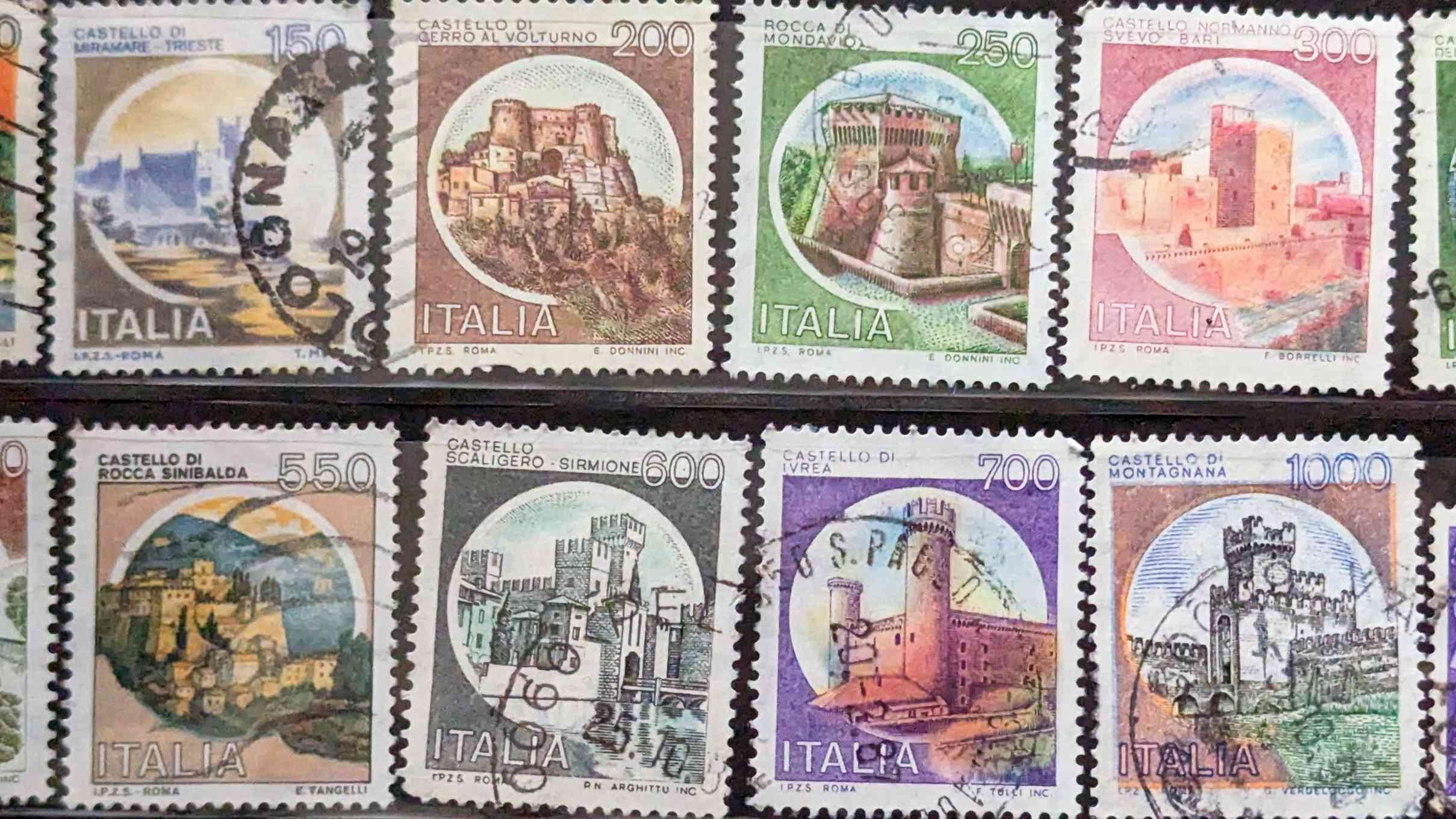
    Within the UK , the Royal Mail have been leaving more and more gaps in their stamp calendar for pop culture and nostalgic collections like Pokémon or Stranger Things. These of course sell much better than heritage animals or castles and bring younger people into the hobby but at the cost of neglecting modern British culture and arts. The UK still has incredible modern artists, writers and TV but looking at our stamps, they are not celebrated. It is indicative of our society that this nuanced art form celebrating culture is becoming an evermore capitalist cash grab.

    This of course is still political in its own regard, reflective of the ever neoliberal and globalised world that we live in. By no means are we saying stamps have lost their political messaging. Hell, the Royal Mails stamp calendar this year features tiny pictures of the Concorde, a feeble attempt to grasp on to Britain’s waning power of years gone. Stamps are still political, but their messaging and impacts have changed.

    In years to come these stamps will still be looked upon with the historical lens that we have briefly demonstrated in this article but will stamps even still exist in that future?

    As we slowly lose this form of art, we should look back and realise just how much stamps have contributed to our understanding of culture, history and politics.

    Avatar photo
    Leon Gordon Jamieson

    Niche history and politics buff. Lover of Postal systems, local heritage and whodunnits.

    Related Posts

    CYD? 2026: A vibrant display of exceptional talent

    November 1, 2026

    A Younger Wave

    November 1, 2026

    John Phillips Hall Closed

    October 29, 2026
    Leave A Reply Cancel Reply

    This site uses Akismet to reduce spam. Learn how your comment data is processed.

    MORE INFORMATION
    • ABOUT
    • ADVERTISE
    • CONTACT US
    • GET INVOLVED
    • MEMBERS
    Links
    • Bangor University Bangor University
    • Google+ Google+
    • Undeb Bangor Undeb Bangor
    About

    Seren is Bangor University Students’ Union’s English Language Newspaper

    We have editorial independence from both Bangor University and Bangor Students’ Union. Seren is written by students for students and we’d love you to get involved!

    Type above and press Enter to search. Press Esc to cancel.