

Jez looks at the reasons that people all over the world are taking to the streets and making their voices heard
If 2010 was a year that will be remembered for the Coalition turning politics on its head, then 2011 should be remembered as the year where the establishment were challenged. Not, of course, by the Coalition Government, but by ordinary people (and in some cases enraged celebrities) taking a stand against what some see as “morally repulsive” inequality (Brendan Barber, General Secretary of the TUC).
The start of the year was dominated by the phone hacking scandal and the Arab Spring uprisings. Both demonstrated people taking a stand against autocratic despots’ intent on complete control of people’s lives.
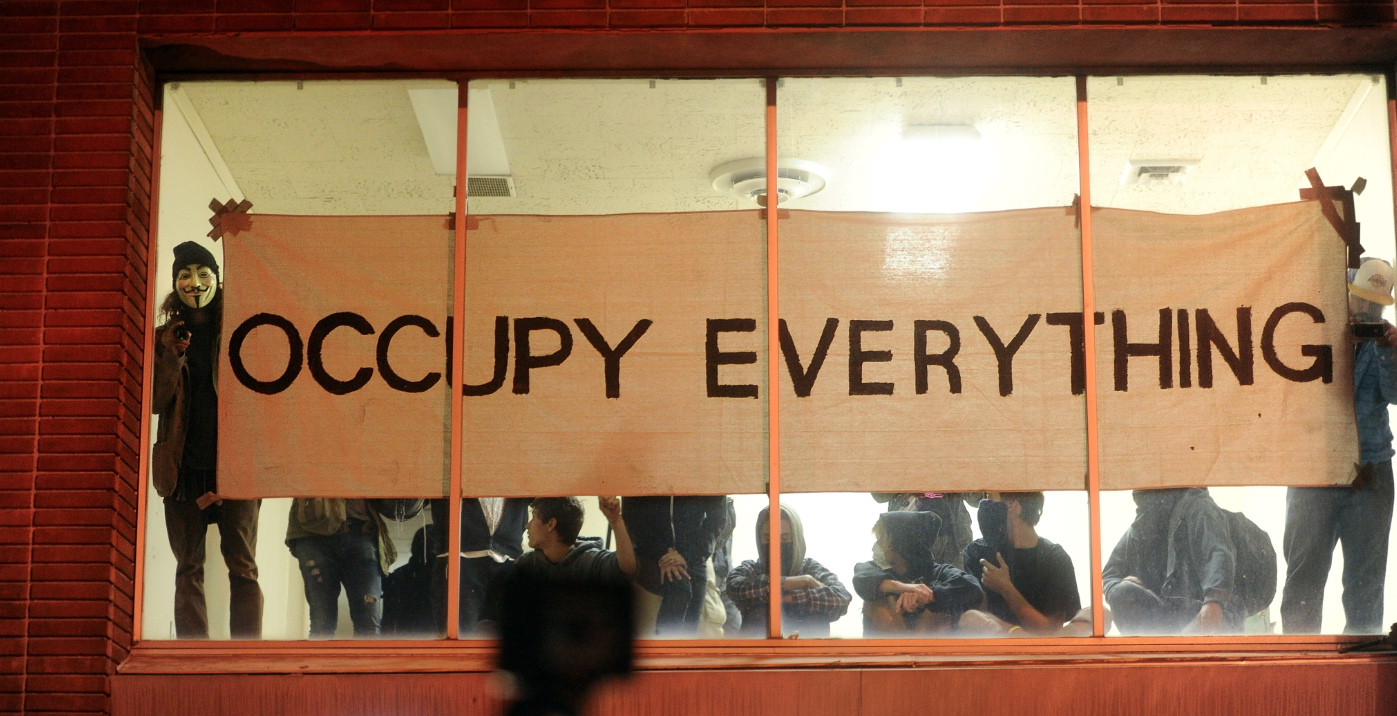
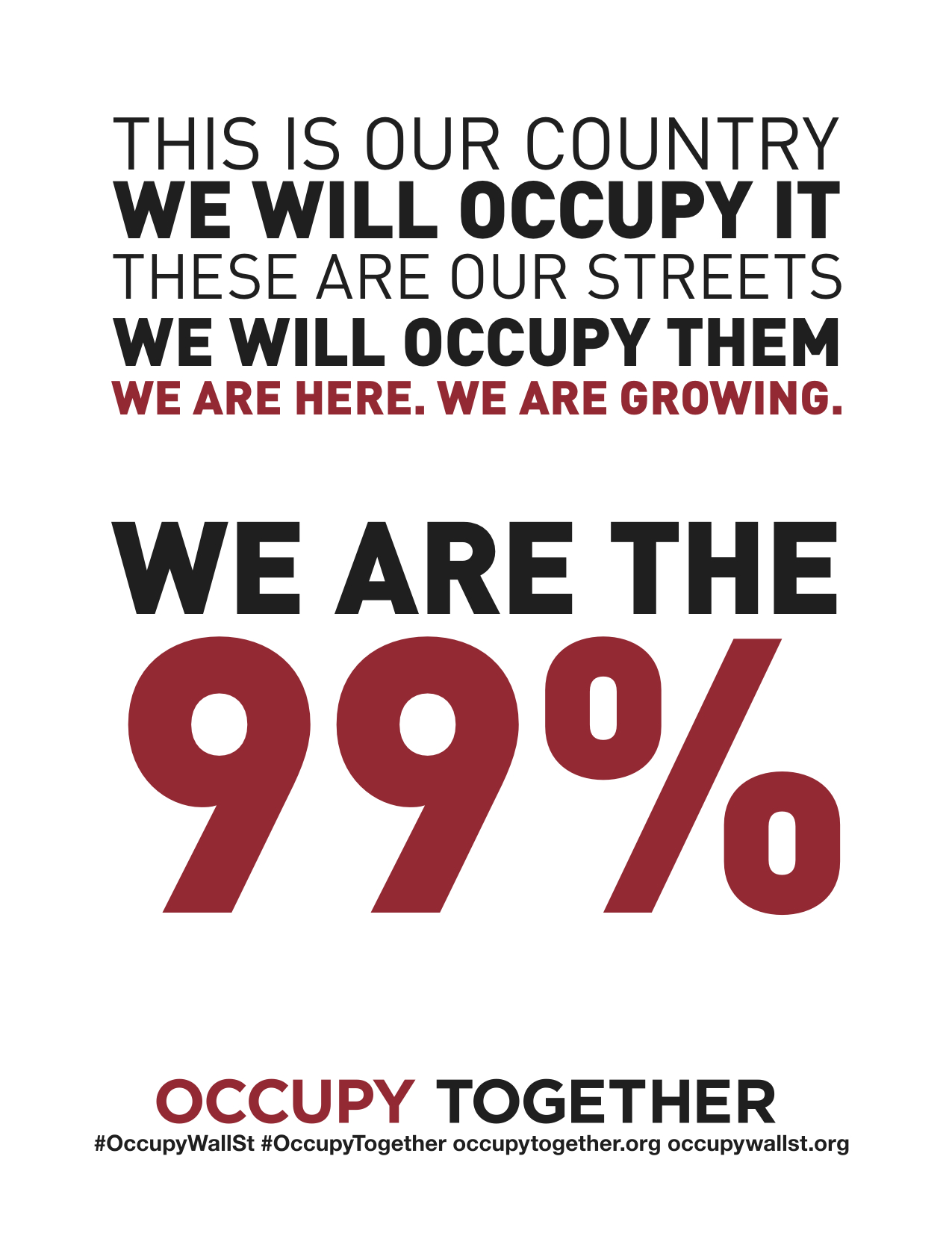
The second half has been dominated by the Occupy Movement, started by a group of people gathering together in New York and San Francisco to protest various shortcomings and deficiencies they saw in how the world was run. Using the phrase “We are the 99%”, the movement ballooned into a wide scale and largely peaceful group of protests (apparently numbering over 2500 around the world) against what they see as a vast and growing disparity between the very wealthiest and the rest.
There is evidence to back up their claims. Since 1979 (and these are figures for the US, but similar trends are evident around the world) pre-tax income increased on average $700,000 for the top 1%. For the bottom 90%, pre-tax income dropped $900 on average. In short, whilst everyone else is getting poorer, both in real terms and adjusted for inflation, the 1% are getting richer.
In Europe the movement has largely focused on the “austerity” packages many Governments are implementing. In the UK, this is being done by the (sort-of) elected Government. In places like Greece, these are the work of unelected Governments formed after previous elected Governments had collapsed. Many feel that the imbalance between what is being demanded of the majority of the population and what is expected of the richest is unbalanced.
 The issue in the UK is different again. This week a national strike will have occurred involving over a million people. The issue for many is largely to do with pensions, but other groups are protesting, for example, against student fees, defending the NHS, protecting higher education and other services from privatisation amongst other issues. Again, the protesters make some valid points.
The austerity packages put in place by the Conservative/Liberal Democrat Government have gone largely unchallenged by Labour – they question the scope, but not the fundamental point. These packages, that affect everybody in the country (and don’t believe they don’t or won’t hurt you), are apparently there to handle the deficit. Yet, two questions are asked of this.
Firstly, if the deficit is the problem, why is it us that must make the sacrifices? Roughly half our Government debt is in the form of bank bailout. A further 25% is money that we apparently owe to private companies from PFI deals. These Private Finance Initiatives were introduced by the previous Tory Government and used widely by the Blair/Brown Governments. Meant as a way of getting lots of private capital to build new schools and hospitals, they have become a cash cow for a few very large companies.
For roughly £67 billion worth of actual, tangible benefits, these companies are “owed” over £250 billion. The question then is – if the deficit is money that banks and businesses are owed, due to exceptionally poor deals, why are we the ones suffering?
Secondly, there is little evidence that in anything other than the very short term, these austerity packages will hurt the country. In times of economic downturn, money from the private sector for bank loans for small-business loans or mortgages dries up – it is the job of the public sector to step in and ensure that a flow of money remains to attempt to restart the economy. Part of the deal with the bank bailout was an agreement called Project Merlin – in return for the bailout, banks were supposed to increase lending of this sort so the Government wouldn’t have to. They have failed, and now the Government are being forced to step into make this money available. Yet again, we are paying the cost for the selfishness of the city.
It is not just this money that is the problem. For every pound that was previously spent on Higher Education, another £1.40 was generated; through research grants, innovation projects and other ways. It makes little sense to cut funding to something that actually creates more. Cuts to the welfare budget will do little more than force more people into poverty – this has demonstrable links to health care, access to education and other social indicators.
In conclusion – if you think that the current state of things is fair and makes any sense, then Occupy is something that you won’t agree with. If, on the other hand, you believe as I do that there is a better way then get involved. Ignore the rhetoric that it’s just a bunch of hippies and communists – maybe there aren’t many crystal clear demands, but the beauty is that there doesn’t need to be. The duty of the people is to stand up and say that something is wrong. The duty of our ‘leaders’ is to listen and change. Be the 99%, and stand up.
