

A new data centre is currently being planned for Caernarfon that would see a drastic change to the way of life for locals. Usually a quiet sea-side town in the north of Wales, Caernarfon has been seeing quite the influx of investment for business in the past decade. From 2018 -2023, it saw a £20 million investment for castle renovations and water and town centre regeneration. While not officially released as of yet, we can see the new renovation seeing investment in the hundreds of millions.
In addition to growing the local economy, the new development would create around 900 jobs during its construction and would see 200 permanent workers on site.
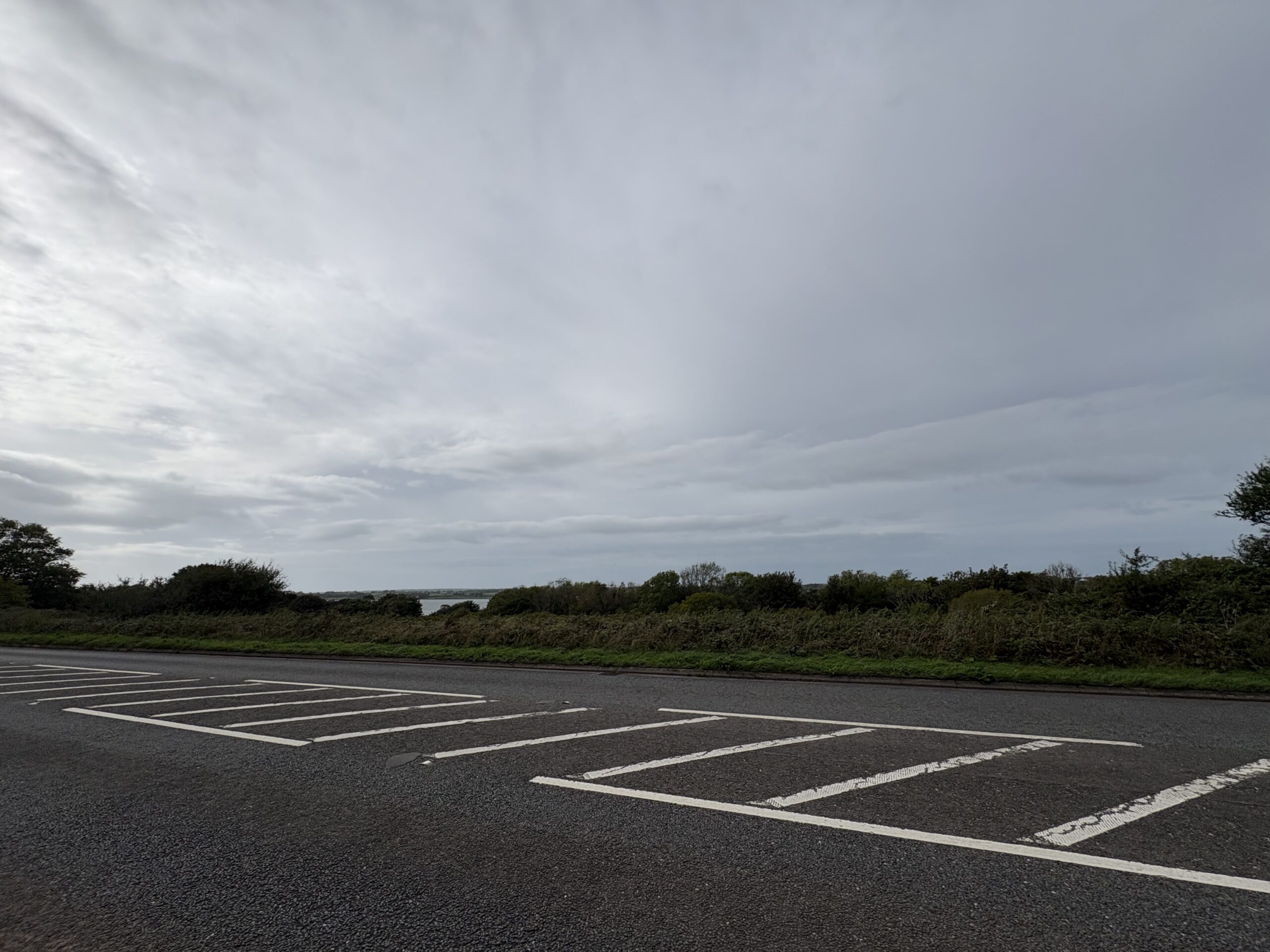
The newly proposed plans of construction are set on Caernarfon Road, situated next to the Menai Strait, with main concerns seeming to be the centre’s effects on the local wildlife, environment, and aesthetics of the local area (some of the buildings could reach around 30 metres). The data centre would use anywhere from 700,000 to 12 million (at maximum) litres of water daily. Campaigners are arguing that this would greatly disrupt the local eco system and could cause drastic effects to the water in the Strait.
Additionally, data centres are well known to cause great amounts of noise pollution as they run 24/7, with the water coolers incessantly running. Data centres, and especially large ones, can see noise pollution up to 96 decibels with sounds above 85 decibels considered as harmful to humans. With a concurrent noise that can reach these levels, not only will residents living near to the centre be greatly affected in day-to-day life, but the local wildlife too.
We can also draw to light the similar situation that occurred earlier this year in Wigan which saw four warehouses spanning 350,000 sq. ft built within a suburban area and the reaction from the Wigan residence causing a lot of media attention. The proposed data centre would cover an even larger area, spanning 4,467,023 sq. ft with around 861,113 sq. ft being reserved for ecological development. Similar ecological development was also proposed to the people of wigan, however flooding and dying plants led to these ecological developments having little effect to blocking noise and creating a lack of scenery that one would usually find in suburban areas.
We asked local people in Caernarfon their thoughts and we were met with similar answers. Either the individuals had not heard of the new plans or they were not thrilled with the new construction project on their doorstep. I interviewed members of the public, informing them of the new data centre with reactions of surprise and when speaking to the vendors along Caernarfon market stalls, worries about job insecurity and ecological damage seemed to be the main points of worry, with one vendor’s simple response, “Do we need them?”.
When asked “Would you like to see Caernarfon become an industrial town?”, all answers came back as “No.”
Seemingly echoing the voices of the locals, an online petition has been making the rounds, gaining just over 17,000 signatures as of the time of writing. When mentioning the petition to locals, many were happy to hear that there was some pushback to the build.
However, it is a necessary point of debate for the future of the Uk’s ability to store online data. With the future of AI still being seen as something of a race and our ways of life, for better or for worse, becoming ever more reliant on the use of AI, the necessity of British data centres becomes a more impending question.
