

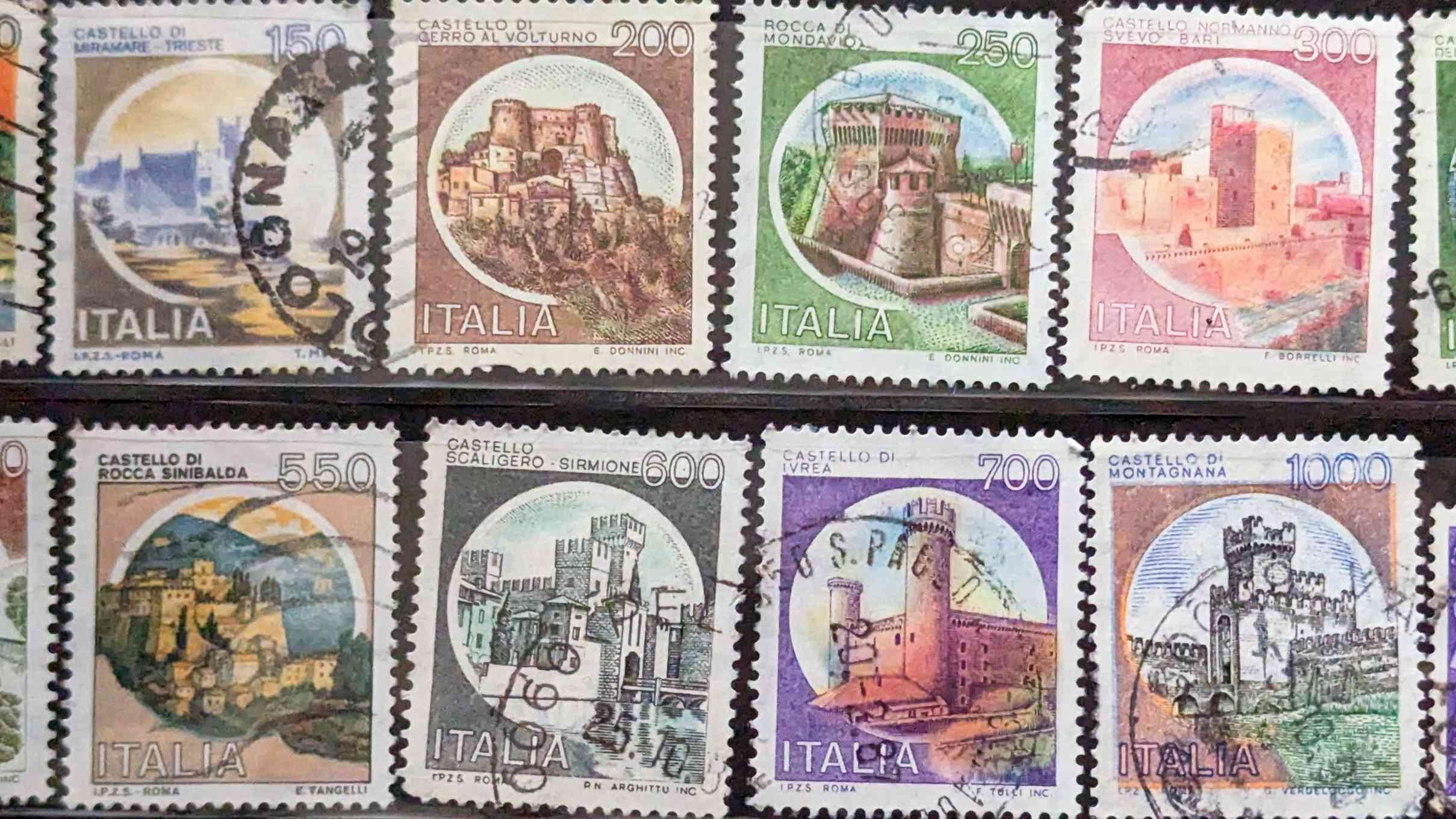
Stamps used to mean something. To some extent they still do, but in the era of online shopping and the internet they are losing their place in the modern world.
Revolutions, war and geopolitics may not be the first thing that comes to your head when you think about the small paper rectangles you put on your postcards, but time and time again they have depicted some of the biggest moments in history. It helps to think of a stamp as a tiny piece of art, every line of those illustrations is just as intentional as brush strokes on a canvas. This gives them meaning and allows them to be analysed from a historical lens.
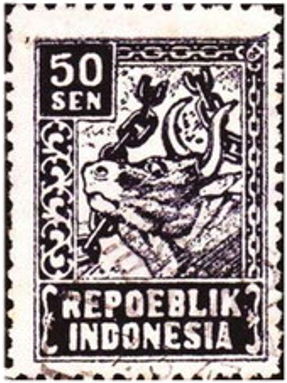
Independence movements after WWII provide many excellent examples of this in action. For example, In September of 1945, Indonesian revolutionaries managed to take control of the Central Post Office in Bandung as they tried to gain sovereignty back from the Dutch and Japanese. From there they were able to retake the countries postal system and use stamps as political imagery to further their independence movement. They would print over leftover stamp stock from their colonial rulers with ‘Repoeblik Indonesia’ and later create their own stamps
These later stamps featured a Banteng (a bovine that was a figurehead for the fight for independence) breaking free of chains, an obvious allusion to Indonesia breaking free of colonial grasps.
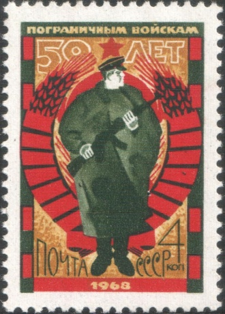
Not all political messaging has to be so direct, the USSR during the Cold War would print millions of ‘used’ stamps just to use as propaganda. These would be put into albums and sold internationally. Propaganda included, glorified depictions of Soviet regimes, pictures of Soviet buildings (some not even built) and portraits of Russian artists with wide appeal to construct a more favourable view of the USSR globally. There is debate as to whether these stamps even circulated within the Soviet Union or whether they were just to capitalise on the boom of philately (the study of stamps and postal systems) at the time.
These are just two examples in a sea of hundreds showing the intrinsic link between stamps and political expression. The very nature of stamps tends well to it because not only the recipient will see the stamps messaging but all the postal workers in chain before it reaches them.
The modern day is where problems start to arise, stamp sales are declining globally, countries such as Iceland and Denmark have ceased stamp production and philatelic counters at post offices are closing; making it harder than ever to procure stamps
Within the UK , the Royal Mail have been leaving more and more gaps in their stamp calendar for pop culture and nostalgic collections like Pokémon or Stranger Things. These of course sell much better than heritage animals or castles and bring younger people into the hobby but at the cost of neglecting modern British culture and arts. The UK still has incredible modern artists, writers and TV but looking at our stamps, they are not celebrated. It is indicative of our society that this nuanced art form celebrating culture is becoming an evermore capitalist cash grab.
This of course is still political in its own regard, reflective of the ever neoliberal and globalised world that we live in. By no means are we saying stamps have lost their political messaging. Hell, the Royal Mails stamp calendar this year features tiny pictures of the Concorde, a feeble attempt to grasp on to Britain’s waning power of years gone. Stamps are still political, but their messaging and impacts have changed.
In years to come these stamps will still be looked upon with the historical lens that we have briefly demonstrated in this article but will stamps even still exist in that future?
As we slowly lose this form of art, we should look back and realise just how much stamps have contributed to our understanding of culture, history and politics.
